Why a Camera Goes Down the Line Before Anyone Digs Up Your Yard
How a camera inspection turns guesswork about a sewer line into an exact diagnosis before any digging starts.
September 23, 2026 · 3 min read
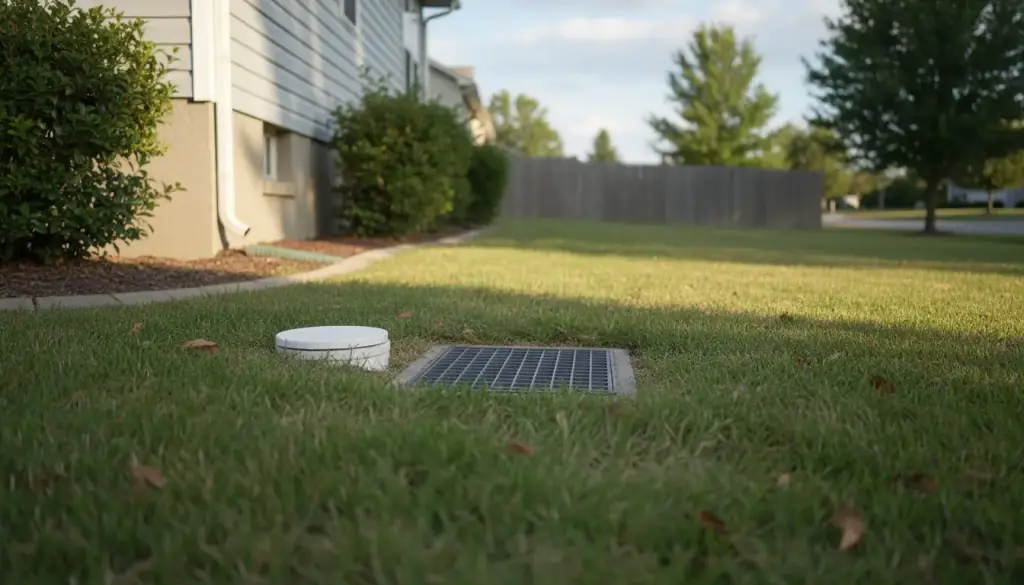
A slow drain or a sewer backup is one of those problems that's easy to notice and hard to diagnose from the surface. The line causing the trouble is buried under a yard, a driveway, or a basement floor, and there's no reliable way to know what's actually wrong with it just by looking at the symptoms above ground. That's the entire reason sewer camera inspection exists as a step of its own, separate from the repair.
What a sewer camera inspection actually is
The tool itself is a small, waterproof camera mounted on the end of a long, flexible cable. A plumber feeds the cable into the sewer line through a cleanout or another access point and pushes it down the pipe, watching a live video feed on a monitor as it travels. The cable itself is marked, so as the camera moves, the plumber can track exactly how far into the line it's traveled, which becomes important a few minutes later.
What it actually finds
A camera run down a sewer line can show, directly, what's causing a problem instead of leaving it to guesswork.
- Root intrusion, where tree roots have worked their way into a joint or a crack and grown into the pipe interior
- A bellied or sagging section of pipe, where the line has settled and created a low spot that collects waste and water instead of draining it
- Cracks, breaks, or offset joints where sections of pipe have shifted out of alignment
- A partial or full blockage, and exactly what it's made of, whether that's grease buildup, debris, or something else
- A collapsed section of pipe, which is a very different repair than a simple clog
How the camera pinpoints depth, not just distance
Knowing how far into the line a problem sits only tells half the story. Many sewer camera heads also carry a small transmitter, called a sonde, built into the housing. As the camera travels through the pipe, a handheld locator wand passed over the ground surface above can pick up that signal and pinpoint both the camera's exact position and roughly how deep it's sitting underground at that point. That combination, distance down the line plus depth below the surface, is what turns a general sense that something's wrong with the sewer line into a specific mark on the actual lawn showing exactly where to dig and how deep to go, before a shovel ever goes into the ground.
Cleaning and camera work go hand in hand
The two services aren't always separate visits. Sometimes a line needs to be cleaned first, using a mechanical auger or a high-pressure jetting process, just to get a clear enough picture for the camera to show what's actually going on further down. Other times the camera goes in first specifically to figure out what's causing a blockage, roots, grease, a settled section of pipe, so the cleaning method chosen actually matches the problem instead of guessing. Either way, the point of running a camera down the line is the same: replace assumptions about a buried pipe with an actual look at its condition before deciding what needs to happen next.
Why this has to come before digging, not after
Because the camera cable is marked as it travels, a plumber can identify not just what the problem is but exactly how far from the access point it sits and roughly how deep the line runs at that point. That turns excavation, when it's actually needed, into a targeted dig at a known location instead of opening up a long stretch of yard on a guess. Not every sewer problem needs digging at all. Root intrusion or a blockage can often be cleared by sewer cleaning without disturbing the pipe. But when a section genuinely needs to be replaced, because it's collapsed or badly bellied, the camera inspection is what tells the plumber exactly where to dig and how much of the line actually needs to come out, rather than opening the whole run to find out.
Kinseth Plumbing & Heating offers camera inspection of sewers alongside sewer cleaning and pipe location detection, part of their residential services out of Belmond, and complete sewer and drain system installation through their commercial and mechanical contracting work across North Central Iowa. Work is backed by a one-year warranty. If a drain is running slow or backing up, call (641) 444-4428 to get a camera down the line before anything gets dug up.
Kinseth Plumbing & Heating Inc, (641) 444-4428
Call (641) 444-4428More articles
Hard Water in North Iowa: What It Does to Your Home and When a Softener Pays Off
A plain explanation of hard water, what it costs your fixtures and appliances over time, and how a softener actually works.
What to Do the Moment a Pipe Freezes in an Iowa Winter
A practical, step-by-step look at frozen pipes in a North Iowa winter, and the ice-plug repair method that lets a plumber work on a line without draining the house.