Signs Your Water Heater Is on Its Way Out, and What to Check First
What's actually happening inside a tank water heater as it ages, and the signs worth paying attention to before it fails outright.
September 23, 2026 · 4 min read
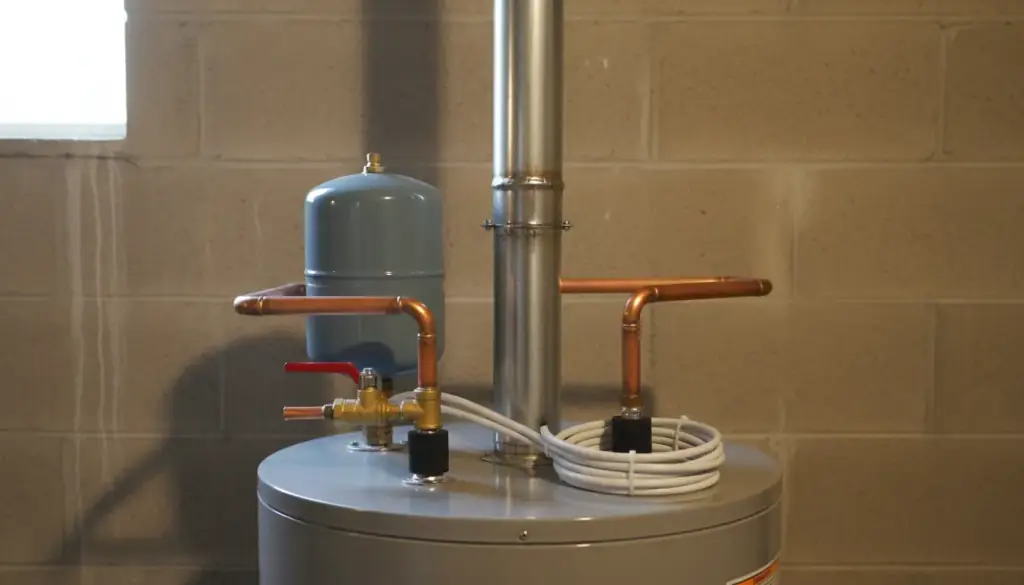
A tank water heater does its job quietly for years, right up until it doesn't. Knowing what's actually going on inside the tank as it ages makes it a lot easier to catch a real problem early, rather than finding out the hard way with a puddle on the utility room floor.
Why sediment builds up in a tank
Incoming water, especially hard water common across North Central Iowa, carries dissolved minerals. As the water heats, some of those minerals settle out and drop to the bottom of the tank as sediment. Over time that layer thickens. A gas water heater has to heat through that layer to reach the water above it, which makes the burner work harder and can cause the popping, rumbling, or cracking sounds some homeowners hear as trapped water boils underneath the sediment layer. On an electric unit, sediment can bury the lower heating element, which shortens its working life and reduces how much hot water the tank can deliver on a given cycle. Periodically flushing the tank helps clear that layer out before it builds up to the point of causing real problems.
What the anode rod is actually doing
Every tank water heater has a sacrificial anode rod running down through the top of the tank, usually made of magnesium or aluminum around a steel core. It's called sacrificial because that's exactly its job: the rod corrodes instead of the steel tank around it, through a process where the more reactive metal in the rod draws corrosion away from the tank walls. As the rod does its work, it slowly dissolves. Once it's fully consumed, the tank itself becomes the next thing corrosion goes to work on. Checking the anode rod periodically and replacing it when it's worn down is one of the simplest ways to extend a tank's working life.
Signs worth paying attention to
- Water with a rust tint, especially from the hot tap, which can point to internal tank corrosion
- Any water pooling at the base of the tank, which usually means a leak has started somewhere in the tank itself
- Water that won't hold a consistent temperature, running lukewarm or fluctuating during a shower
- Popping, rumbling, or cracking sounds coming from the tank while it's heating
- A tank that's simply gotten old. Most tank water heaters have a working lifespan in the range of eight to twelve years, and the odds of a major failure climb steadily once a unit is past that range
Simple maintenance that extends a tank's working life
A few habits make a real difference in how long a tank water heater lasts. Many plumbers recommend flushing a few gallons out through the drain valve at the base of the tank periodically, which helps clear sediment before it builds into a thick, insulating layer. The temperature and pressure relief valve, usually a lever near the top of the tank, is a core safety component that releases pressure automatically if the tank ever overheats or builds excess pressure, and it's worth testing occasionally by lifting the lever briefly and confirming water discharges cleanly and then stops. The anode rod is worth a look every few years as well, since a rod that's fully dissolved has stopped protecting the tank and needs replacing before corrosion moves on to the tank itself.
Gas and electric tank water heaters fail in slightly different ways, but the underlying pattern is the same: age, sediment, and a spent anode rod are almost always somewhere in the story by the time a tank actually leaks. Catching those factors early, rather than only noticing a problem once the tank is visibly failing, is what turns an expensive emergency into a planned repair or replacement on your own schedule.
Repair or replace
A younger unit with a straightforward issue, a bad thermostat, a failed heating element, a stuck valve, is usually worth repairing. An older tank showing rust in the water or pooling at the base is a different situation, since that typically points to the tank itself failing rather than a single part, and a tank that's leaking from the inside can't be patched. Age, the specific symptom, and how the unit has been maintained all factor into which way that decision should go, which is exactly the kind of call worth having a plumber look at directly rather than guessing.
Kinseth Plumbing & Heating installs new energy-efficient water heaters and handles water heater repairs out of Belmond, carrying Rheem equipment, with same-day and emergency service available and installs backed by a one-year warranty. They service what they sell. Call (641) 444-4428 to have your water heater looked at before a small problem turns into a flooded utility room.
Kinseth Plumbing & Heating Inc, (641) 444-4428
Call (641) 444-4428More articles
Hard Water in North Iowa: What It Does to Your Home and When a Softener Pays Off
A plain explanation of hard water, what it costs your fixtures and appliances over time, and how a softener actually works.
What to Do the Moment a Pipe Freezes in an Iowa Winter
A practical, step-by-step look at frozen pipes in a North Iowa winter, and the ice-plug repair method that lets a plumber work on a line without draining the house.